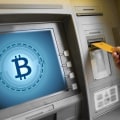
As the world increasingly embraces digital currencies, Bitcoin ATMs have emerged as a convenient solution for buying and selling Bitcoin. These machines function similarly to traditional ATMs, allowing users to exchange cash for Bitcoin or vice versa. However, unlike conventional ATMs that typically charge minimal fees, Bitcoin ATMs often impose significantly higher transaction costs. Understanding these fees is crucial for anyone looking to utilize this technology effectively.The fees associated with Bitcoin ATMs can vary widely, ranging from as low as 4% to as high as 25%.
This disparity can be attributed to several factors, including the operator's business model, location, and the specific services offered. For instance, some ATMs may charge a flat fee per transaction, while others might implement a percentage-based fee that fluctuates with market conditions. Therefore, it is essential for users to be aware of these costs before proceeding with a transaction.Moreover, the operation of Bitcoin ATMs involves more than just the exchange of currency; they also require compliance with regulatory standards and security measures. This complexity can contribute to higher fees compared to online exchanges, which often have lower operational costs.
By understanding how Bitcoin ATMs work and the factors influencing their fees, users can make informed decisions and potentially save money on their transactions.In this article, we will delve deeper into the various aspects of Bitcoin ATM fees, exploring how they are calculated and what users can do to minimize their costs. Whether you are a seasoned cryptocurrency investor or a newcomer looking to dip your toes into the world of digital assets, grasping the intricacies of Bitcoin ATM fees will empower you to navigate this evolving landscape with confidence.
What is a Bitcoin ATM?
A Bitcoin ATM is a specialized machine that allows users to buy and sell Bitcoin and, in some cases, other cryptocurrencies using cash or debit cards. Unlike traditional ATMs that dispense fiat currency, Bitcoin ATMs facilitate transactions in the digital currency realm, bridging the gap between physical cash and digital assets.These machines operate similarly to conventional ATMs but with a few key differences. When you approach a Bitcoin ATM, you will typically see a touchscreen interface that guides you through the transaction process.To initiate a purchase, users must first select the option to buy Bitcoin. The machine will then prompt you to enter the amount of Bitcoin you wish to purchase or the amount of cash you want to spend.Once you input your desired amount, the ATM will display the current exchange rate for Bitcoin. This rate may vary from what you see on online exchanges due to factors like demand and supply at that specific location. After confirming the transaction details, users are usually required to provide a Bitcoin wallet address where the purchased cryptocurrency will be sent.
This can be done by scanning a QR code from your mobile wallet or entering the address manually.For selling Bitcoin, the process is quite similar. Users select the option to sell, enter their wallet address, and specify how much Bitcoin they want to convert into cash. The ATM will then provide instructions on how to complete the transaction, which often includes sending Bitcoin from your wallet to the ATM's designated address.One of the significant advantages of using a Bitcoin ATM is its convenience. These machines are often located in easily accessible areas such as shopping malls, convenience stores, and airports, making it simple for users to buy or sell cryptocurrency on-the-go.
Additionally, they offer a level of anonymity that traditional exchanges may not provide, as many ATMs do not require extensive personal information for smaller transactions.However, it’s essential to be aware of the fees associated with using a Bitcoin ATM. These fees can vary significantly between different operators and locations, often ranging from 5% to over 25%. Understanding these costs is crucial for anyone looking to use a Bitcoin ATM effectively.
Types of Fees Associated with Bitcoin ATMs
When using a Bitcoin ATM, it’s essential to be aware of the various fees that can impact your transaction. Understanding these fees can help you make informed decisions and potentially save money.Here’s a breakdown of the different types of fees you may encounter:
- Transaction Fees: This is the most common fee associated with Bitcoin ATMs. Transaction fees typically range from 9% to 25%, depending on the operator and location. These fees are charged on each transaction, whether you are buying or selling Bitcoin. For instance, if you purchase $100 worth of Bitcoin at a 10% fee, you will actually receive $90 worth of Bitcoin.
- Service Fees: In addition to transaction fees, some Bitcoin ATMs may charge service fees for the convenience of using their machines.
These fees can vary widely and may be a flat rate or a percentage of the transaction amount. Always check the ATM screen for any additional service charges before proceeding with your transaction.
- Exchange Rate Markup: Bitcoin ATMs often use their own exchange rates, which can differ from market rates. This markup is essentially an additional cost that can affect how much Bitcoin you receive for your money. It’s advisable to compare the ATM's rate with online exchanges to gauge whether you’re getting a fair deal.
- Hidden Fees:Hidden Fees: Some operators may not disclose all fees upfront, leading to unexpected costs during your transaction.
Hidden fees can include additional charges for using credit cards or specific payment methods. To avoid surprises, always read the terms and conditions displayed on the ATM or inquire about any potential hidden costs before completing your transaction.
Average Bitcoin ATM Fees: What to Expect
When considering the use of a Bitcoin ATM, understanding the average fees associated with these machines is crucial for effective budgeting and planning. The fees for using a Bitcoin ATM can vary significantly based on several factors, including the operator, location, and the specific transaction being conducted.On average, users can expect to pay between 11% and 25% in fees when using a Bitcoin ATM.This range reflects the diversity in fee structures across different operators. For instance, some ATMs may charge as little as 5% , while others might impose fees exceeding 20%. It’s essential to be aware of these variations to avoid unexpected costs.
Typical Fee Structures
The most common fee structure for Bitcoin ATMs typically falls between 9% and 12%. However, this can fluctuate based on market conditions and the specific ATM's operational costs.For example:
- Coinsource : Known for its competitive pricing, Coinsource offers a low fee of around 11% , making it one of the more affordable options nationwide.
- Local Operators : Many local Bitcoin ATM operators may charge fees that range from 8.5% to as high as 25% , depending on their business model and location.
- High Fees : Some operators have been reported to charge fees upwards of 25% , which can significantly impact the overall cost of purchasing Bitcoin.
Comparing Fees Across Different ATMs
When searching for a Bitcoin ATM, it’s advisable to compare fees across various machines in your area. Many operators do not publicly disclose their fee structures, which can lead to confusion. To make informed decisions:- Research Online: Use platforms that aggregate Bitcoin ATM data to find current fee information.
- Check Reviews: Look for user reviews that mention transaction costs and overall experiences with specific ATMs.
- Ask Directly: If possible, inquire about fees directly at the ATM or through customer service channels.
Factors Influencing Bitcoin ATM Fees
Understanding the factors influencing Bitcoin ATM fees is crucial for users looking to minimize their costs when buying or selling Bitcoin.Several elements can affect the fees charged by these machines, and being aware of them can help you make informed decisions.
1.Location
The geographical location of a Bitcoin ATM plays a significant role in determining its fees. ATMs situated in high-traffic areas, such as shopping malls or tourist attractions, often charge higher fees due to increased demand and operational costs. Conversely, machines located in less frequented areas may offer lower fees to attract more users.
2.Operator Policies
Different operators have varying fee structures based on their business models and operational expenses. Some companies may prioritize customer acquisition and offer lower fees to attract users, while others might charge higher fees to cover their costs.
It’s essential to research the specific operator of the Bitcoin ATM you plan to use, as their policies can significantly impact the overall transaction cost.
3.Market Conditions
The cryptocurrency market is known for its volatility, which can also influence Bitcoin ATM fees. During periods of high demand or significant price fluctuations, operators may adjust their fees accordingly. For instance, if Bitcoin prices surge, some ATMs might increase their fees to capitalize on the heightened interest in transactions.
4.Transaction Size
The amount of Bitcoin you wish to purchase or sell can also affect the fee structure. Some ATMs may have tiered pricing models where smaller transactions incur higher percentage fees compared to larger ones.
Understanding this can help you strategize your transactions to minimize costs.
5.Additional Fees
In addition to the base transaction fee, some Bitcoin ATMs may impose extra charges for services such as identity verification or currency conversion. Always check for any hidden fees before completing a transaction to avoid unexpected costs.By considering these factors, users can better navigate the landscape of Bitcoin ATM fees and potentially find more cost-effective options for their cryptocurrency transactions.
How to Find the Best Bitcoin ATM Fees
Finding the best Bitcoin ATM fees can significantly impact your overall experience and savings when buying or selling Bitcoin. Here are some practical tips and strategies to help you locate the most cost-effective options:- Use Online Resources: Websites like CoinATMRadar provide comprehensive databases of Bitcoin ATMs, including their fees, locations, and supported cryptocurrencies. You can filter results based on your location and compare the fees charged by different ATMs.
- Check Local Listings: Many local cryptocurrency communities maintain lists of Bitcoin ATMs in their area.
These listings often include user reviews and feedback on fees, which can help you make informed decisions.
- Mobile Apps: Consider downloading mobile apps that track Bitcoin ATM locations and fees. Apps like CoinDesk or Blockchain.com can provide real-time data on ATM fees and availability.
- Compare Fees: When you find a Bitcoin ATM, take a moment to compare its fees with other nearby ATMs. Some machines may charge significantly higher fees than others, so it’s worth checking multiple options before making a transaction.
- Look for Promotions: Some Bitcoin ATM operators run promotions or loyalty programs that can reduce transaction fees. Keep an eye out for these offers, as they can lead to substantial savings over time.
- Understand Fee Structures: Familiarize yourself with how Bitcoin ATM fees are structured.
Some ATMs may charge a flat fee per transaction, while others may take a percentage of the transaction amount. Knowing this can help you better assess the total cost of using a specific ATM.
Comparing Bitcoin ATMs to Other Cryptocurrency Purchase Methods
When considering how to purchase cryptocurrency, many individuals find themselves weighing the options between using a Bitcoin ATM and utilizing online exchanges. Each method has its own set of advantages and disadvantages, particularly in terms of fees and convenience.Bitcoin ATMs: Quick and Accessible
Bitcoin ATMs offer a straightforward way to buy Bitcoin and other cryptocurrencies.One of the primary benefits is the speed of transactions; users can often complete a purchase in just a few minutes. This immediacy is particularly appealing for those who want to acquire cryptocurrency without the delays associated with online exchanges.However, this convenience comes at a cost. The fees associated with Bitcoin ATMs can be significantly higher than those found on online platforms. As previously mentioned, fees can range from 11% to as high as 25%, depending on the operator.
This means that while you may enjoy the ease of access, you could be paying a premium for that service.
Online Exchanges: Cost-Effective but Time-Consuming
On the other hand, online exchanges typically charge much lower fees, often under 1.5% for transactions involving highly liquid cryptocurrencies like Bitcoin. This makes them a more economical choice for users looking to maximize their investment. However, purchasing through an exchange usually requires a more involved process, including account verification and potentially longer wait times for transactions to be processed.Additionally, online exchanges may not offer the same level of anonymity as Bitcoin ATMs. Many exchanges require users to complete Know Your Customer (KYC) procedures, which can deter those who value privacy in their transactions.Comparative Summary
- Fees: Bitcoin ATMs generally have higher fees (11%-25%) compared to online exchanges (often under 1.5%).
- Speed: Transactions at Bitcoin ATMs are typically faster, allowing for immediate purchases.
- Anonymity: Bitcoin ATMs may offer greater privacy compared to online exchanges that require KYC verification.
- User Experience: Online exchanges can be more complex due to account setup and verification processes.
Understanding these factors can help users make informed decisions when entering the world of cryptocurrency.
Common Misconceptions About Bitcoin ATM Fees
When it comes to using a Bitcoin ATM, many users harbor misconceptions that can lead to confusion and frustration. Understanding these myths is crucial for anyone looking to navigate the world of cryptocurrency transactions effectively.- Myth 1: All Bitcoin ATMs Charge the Same Fees
One of the most common misconceptions is that all Bitcoin ATMs have uniform fees. In reality, fees can vary significantly from one machine to another, often ranging from 4% to over 25%. Factors influencing these fees include the operator's business model, location, and the specific services offered.Therefore, it’s essential to check the fee structure before making a transaction.
- Myth 2: Bitcoin ATM Fees Are Hidden
Some users believe that Bitcoin ATM fees are hidden or not disclosed upfront. While it’s true that some operators may not clearly display their fees, many reputable companies provide transparent pricing. For instance, platforms like Coinsource ensure that customers are aware of the exact fees before completing a transaction. - Myth 3: Using a Bitcoin ATM Is Always More Expensive Than Online Exchanges
While it’s generally true that online exchanges offer lower fees—often below 1.5%—this isn’t always the case. Depending on market conditions and specific promotions, some Bitcoin ATMs may offer competitive rates.Users should compare options based on their needs and transaction amounts.
- Myth 4: Bitcoin ATMs Are Only for Buying Bitcoin
Another misconception is that Bitcoin ATMs are solely for purchasing Bitcoin. In fact, many machines allow users to sell Bitcoin as well, providing a convenient way to convert cryptocurrency back into cash. This dual functionality can be particularly beneficial for those looking to liquidate their assets quickly. - Myth 5: All Bitcoin ATMs Require Extensive Verification
While some Bitcoin ATMs do require identity verification, not all machines have stringent KYC (Know Your Customer) requirements. Many allow users to make smaller transactions without extensive verification, making them accessible for casual users or those new to cryptocurrency.
Conclusion: Making Informed Decisions with Bitcoin ATMs
In conclusion, understanding the fees associated with using a Bitcoin ATM is crucial for anyone looking to engage in cryptocurrency transactions.As we have explored, these fees can vary significantly from one machine to another, often ranging from 4% to over 25%. This variability underscores the importance of doing your research before making a transaction.When considering a Bitcoin ATM, it is essential to take into account not only the fee percentage but also the overall user experience and the reputation of the operator. Reputable companies like Coinsource provide transparent fee structures, allowing users to know exactly what they are paying for each transaction. This transparency can help you avoid unexpected costs that could diminish your investment.Moreover, while the convenience of Bitcoin ATMs is appealing, especially for those who may not be comfortable using online exchanges, it is vital to weigh this convenience against the higher fees typically associated with these machines.
For instance, while online exchanges may charge less than 1.5% in fees for transactions, Bitcoin ATMs can charge upwards of 12% or more. This difference can significantly impact your overall investment strategy.Additionally, as the cryptocurrency landscape continues to evolve, so too will the fee structures of Bitcoin ATMs. Keeping abreast of changes in the market and understanding how they affect transaction costs will empower you to make informed decisions. Always look for ATMs that offer competitive rates and clear pricing information.Ultimately, being informed about Bitcoin ATM fees not only enhances your financial literacy but also positions you to make smarter choices in your cryptocurrency journey.
By taking the time to understand these fees and their implications, you can maximize your investments and navigate the world of digital currencies with confidence.